
Information only: always read the leaflet in your pack and follow your doctor’s instructions. Read our medical disclaimer.
Leamex PharmaceuticalsleamexPHARMACEUTICALSContact us

Products & Information

Every Leamex medicine and health guide in one place: uses, composition, dosage guidance, cautions, storage and FAQs for all 11 brands and 8 conditions.

Liver & metabolic care2 brands
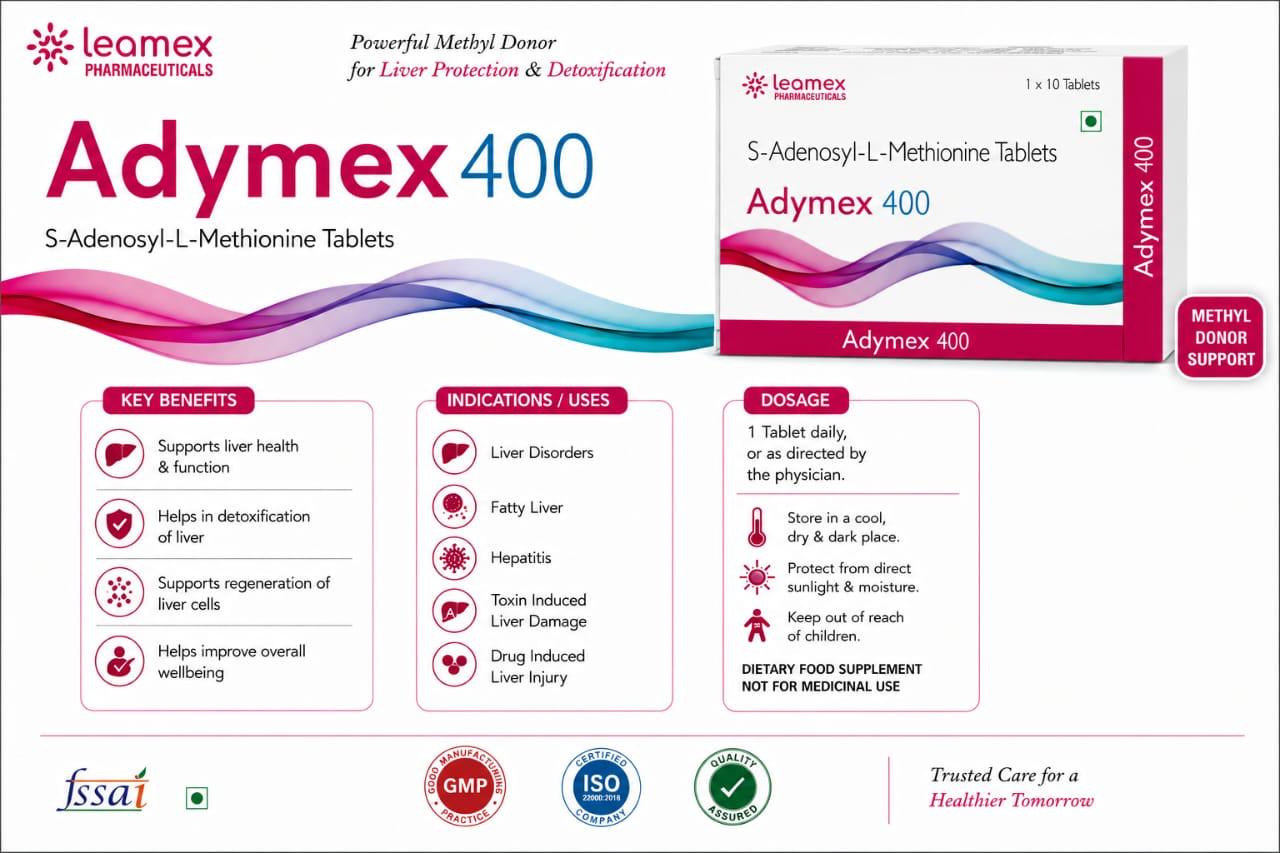
Adymex 400
Dietary Food Supplement (Not for medicinal use)Tablets

Adymex 400

Powerful Methyl Donor for Liver Protection & Detoxification. Trusted Care for a Healthier Tomorrow.

S-Adenosyl-L-Methionine 400 mg

View full details
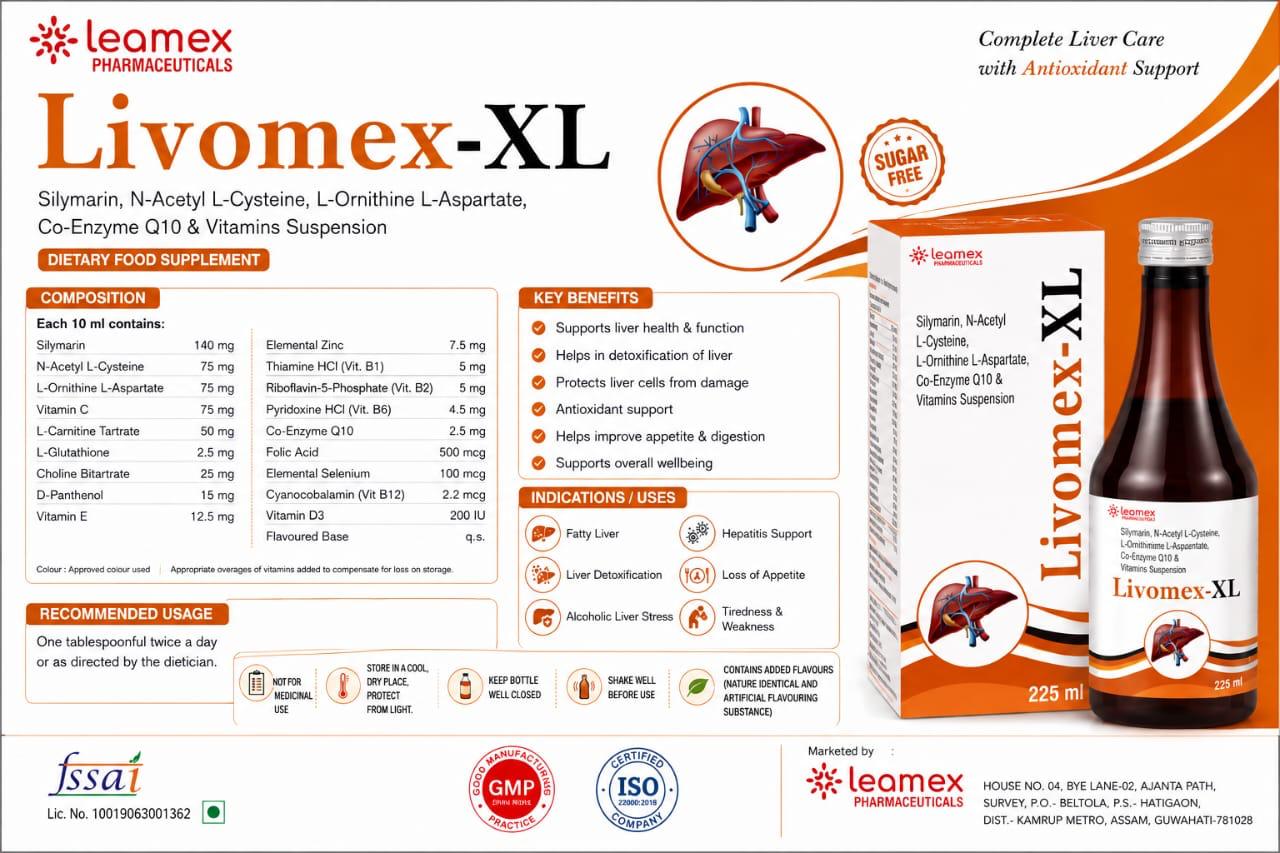
Livomex-XL
Dietary Food Supplement (Not for medicinal use)Suspension

Livomex-XL

Complete Liver Care with Antioxidant Support

Each 10 ml contains: Silymarin 140 mg, N-Acetyl-L-Cysteine 75 mg, L-Ornithine L-Aspartate 75 mg, Vitamin C 75 mg, L-Carnitine Tartrate 50 mg, L-Glutathione 2.5 mg, Choline Bitartrate 25 mg, D-Panthenol 15 mg, Vitamin E 12.5 mg, Elemental Zinc 7.5 mg, Thiamine HCl (Vit B1) 5 mg, Riboflavin-5-Phosphate (Vit B2) 5 mg, Pyridoxine HCl (Vit B6) 4.5 mg, Co-Enzyme Q10 2.5 mg, Folic Acid 500 mcg, Elemental Selenium 100 mcg, Cyanocobalamin (Vit B12) 2.2 mcg, Vitamin D3 200 IU, Flavoured Base q.s.

View full details
Nerve & neuropathy care1 brand
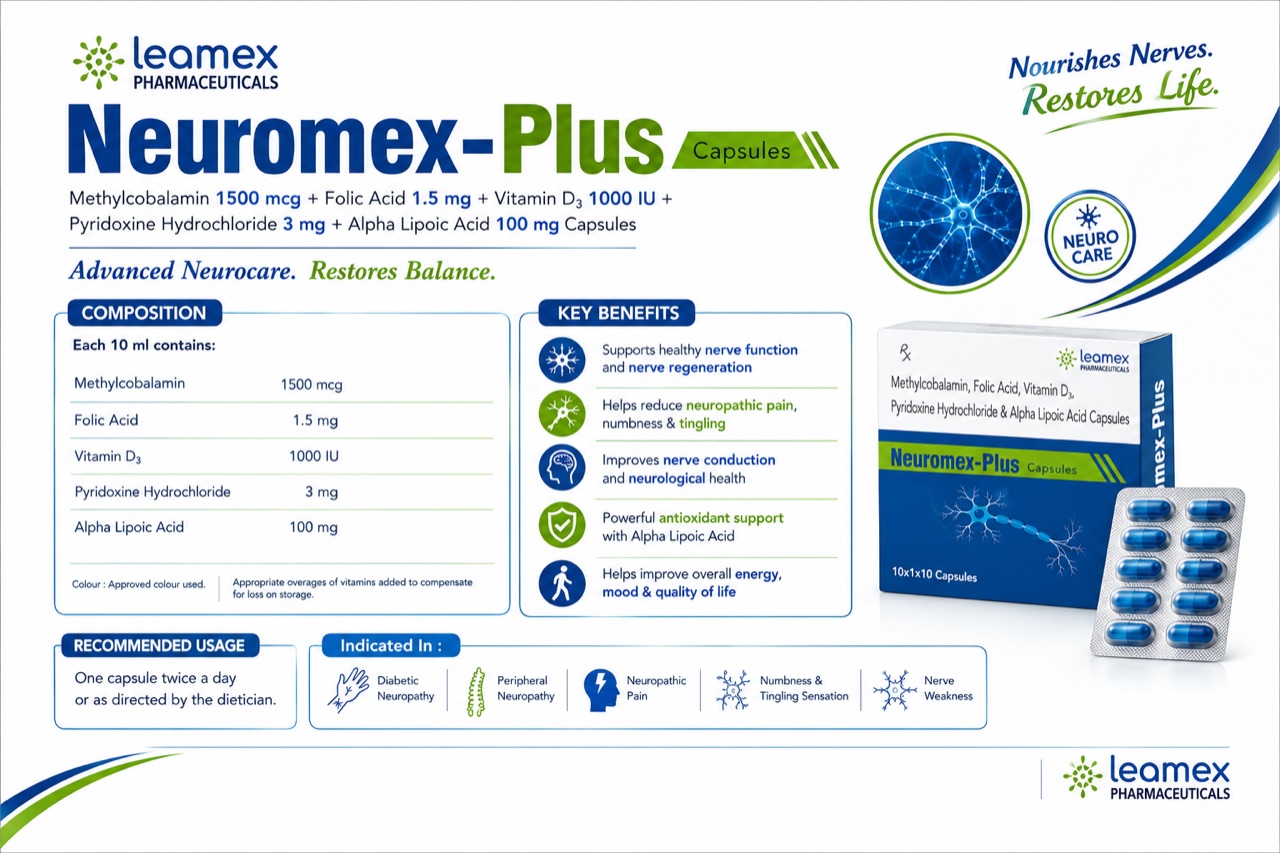
Neuromex-Plus
℞ RxCapsules

Neuromex-Plus

The Complete Neuro-Nutritional Care. Advanced Neurocare. Restores Balance. Nourishes Nerves. Restores Life.

Methylcobalamin 1500 mcg + Folic Acid 1.5 mg + Vitamin D3 1000 IU + Pyridoxine Hydrochloride 3 mg + Alpha Lipoic Acid 100 mg

View full details
Mind, mood & sleep2 brands
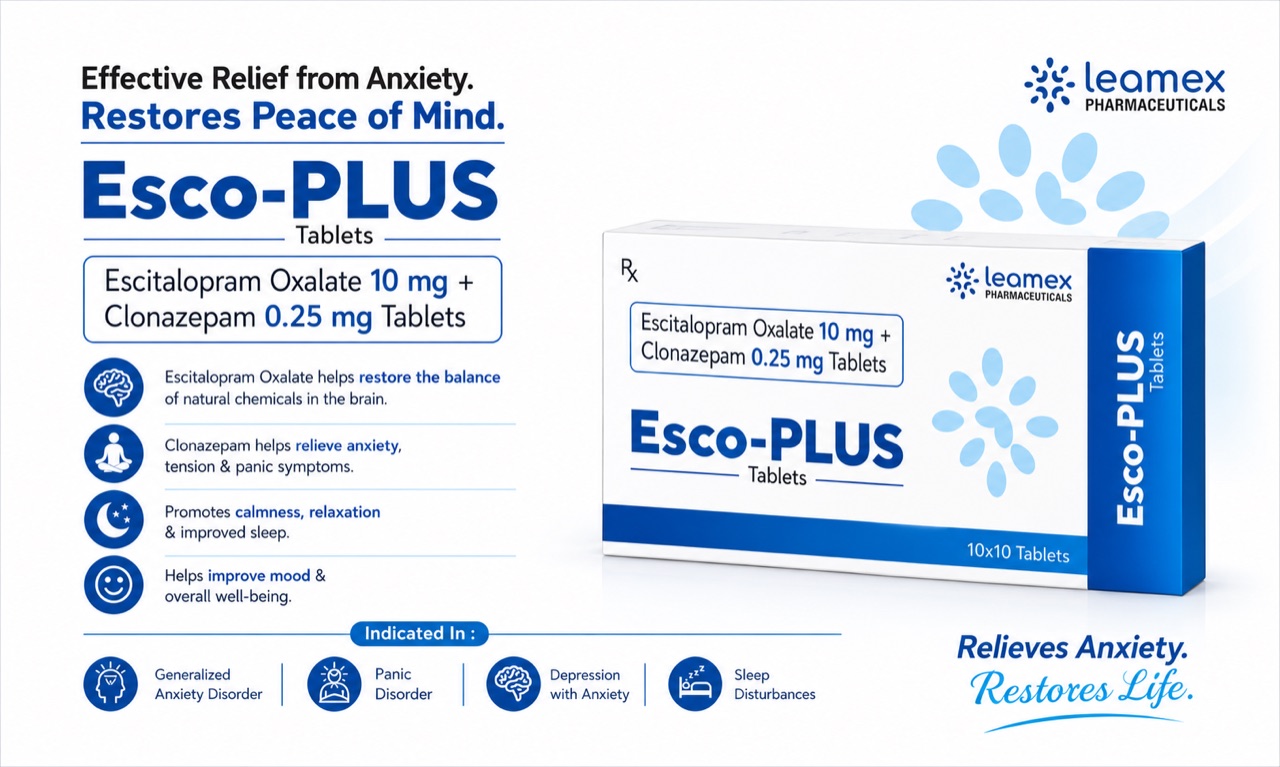
Esco-Plus
℞ RxTablets

Esco-Plus

Effective Relief from Anxiety. Restores Peace of Mind. / Relieves Anxiety. Restores Life.

Escitalopram Oxalate 10 mg + Clonazepam 0.25 mg

View full details
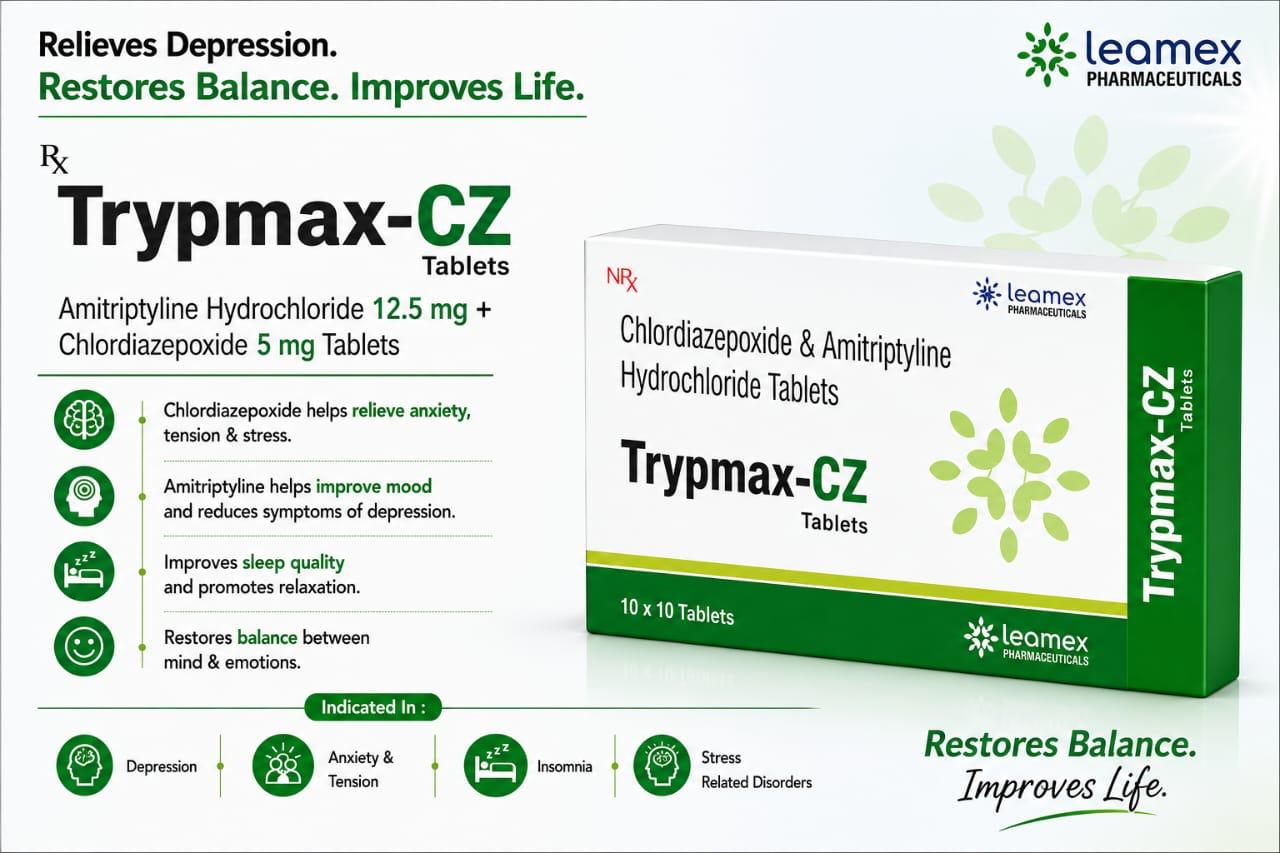
Trypmax-CZ
℞ Rx / NRxTablets

Trypmax-CZ

Relieves Depression. Restores Balance. Improves Life.

Amitriptyline Hydrochloride 12.5 mg + Chlordiazepoxide 5 mg

View full details
Joints, muscle & pain2 brands
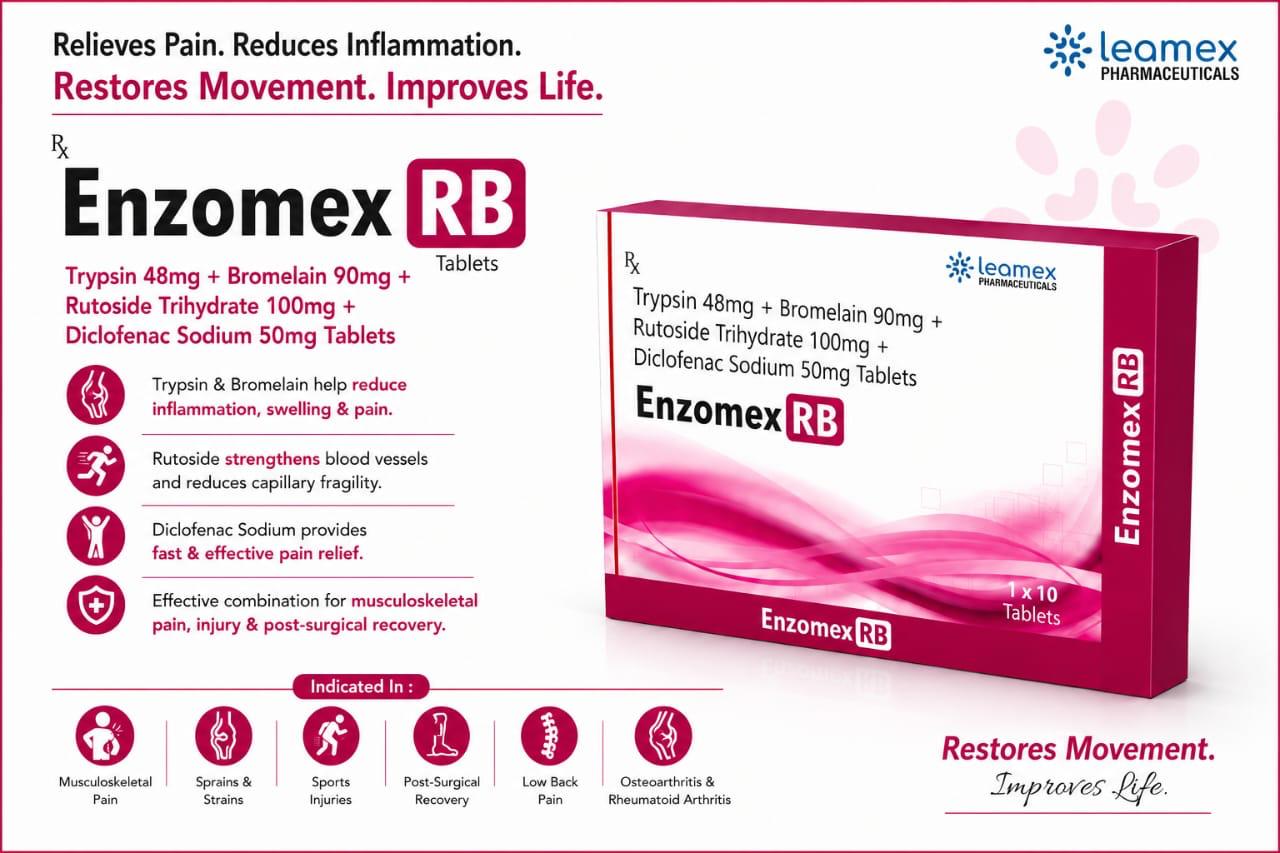
Enzomex-RB
℞ RxTablets

Enzomex-RB

Relieves Pain. Reduces Inflammation. Restores Movement. Improves Life.

Trypsin 48 mg + Bromelain 90 mg + Rutoside Trihydrate 100 mg + Diclofenac Sodium 50 mg

View full details
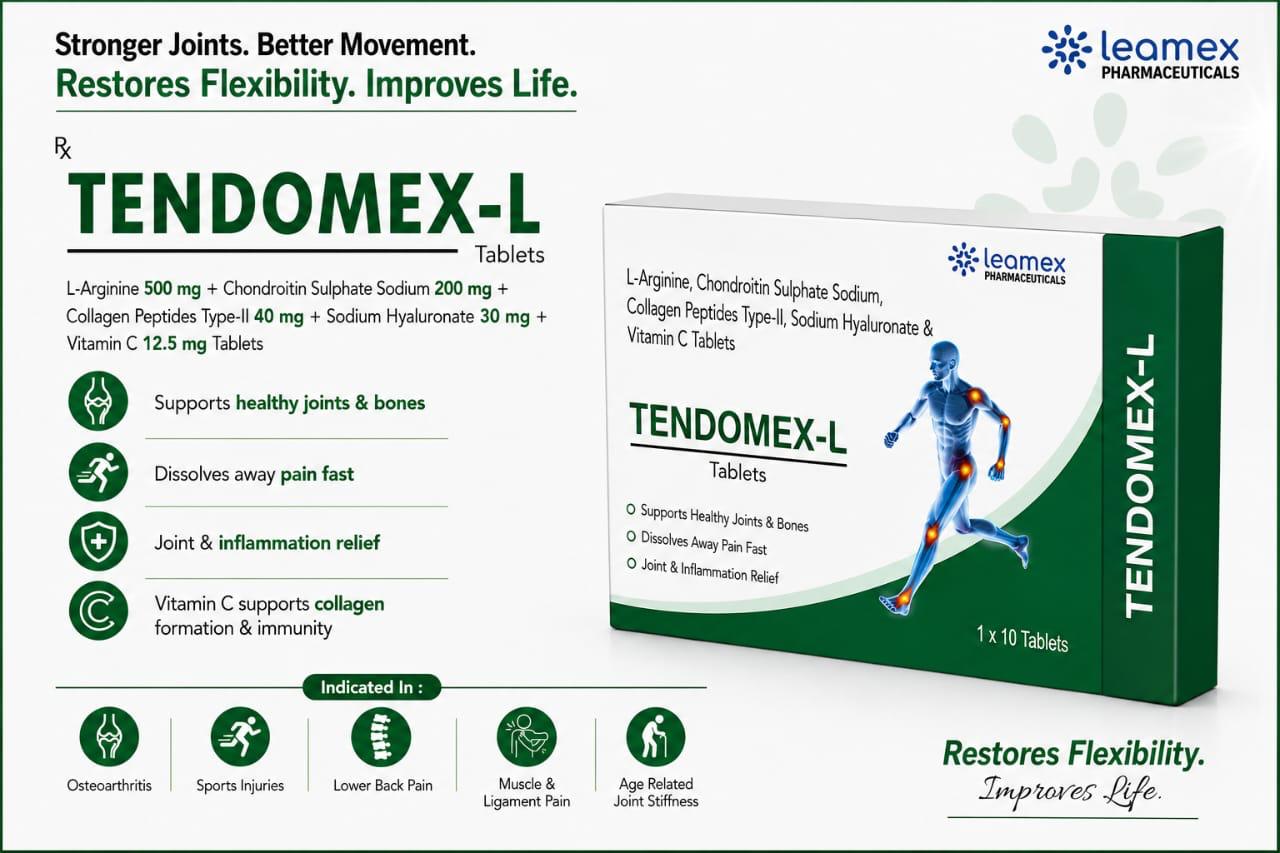
Tendomex-L
℞ RxTablets

Tendomex-L

Stronger Joints. Better Movement. Restores Flexibility. Improves Life.

L-Arginine 500 mg + Chondroitin Sulphate Sodium 200 mg + Collagen Peptides Type-II 40 mg + Sodium Hyaluronate 30 mg + Vitamin C 12.5 mg

View full details
Bone strength1 brand
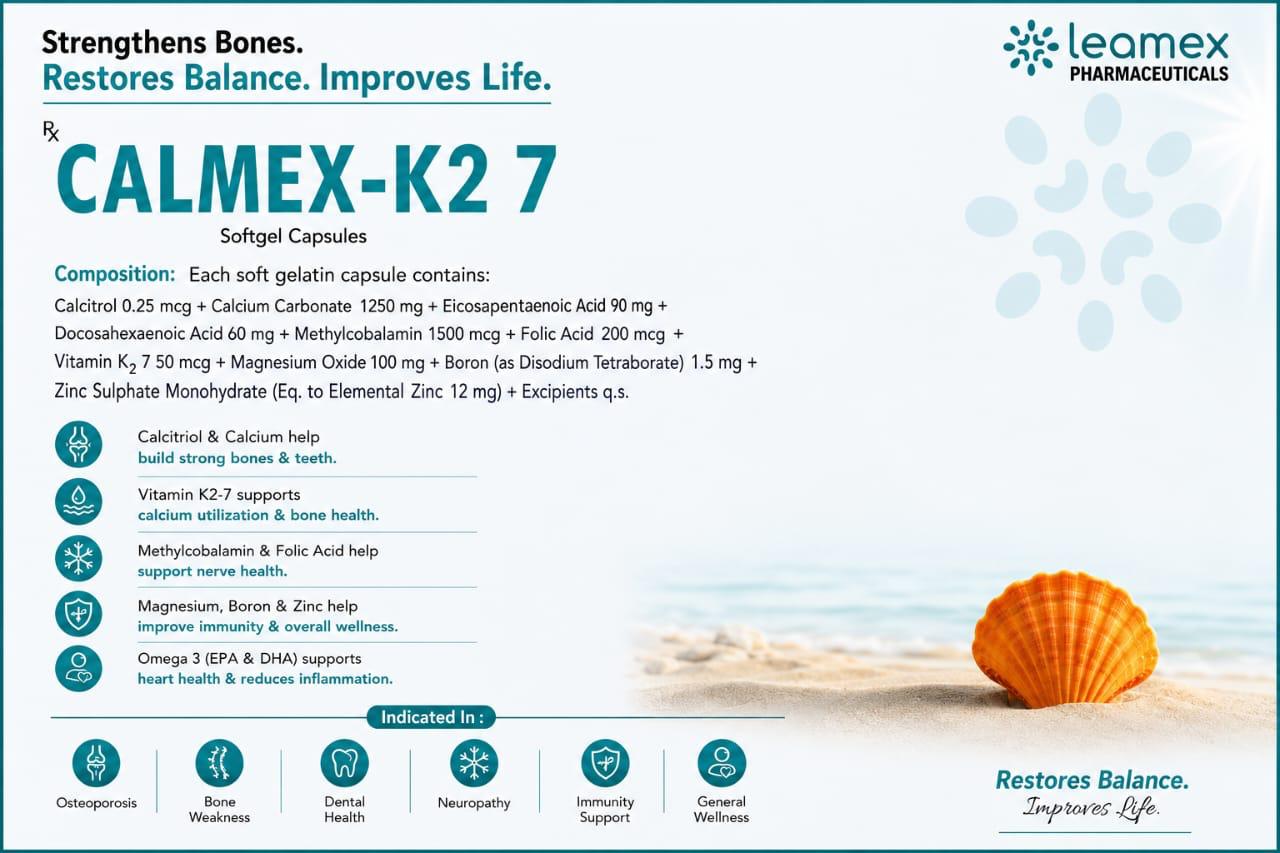
Calmex-K2 7 (Calmex-K27)
℞ RxSoftgel Capsules

Calmex-K2 7 (Calmex-K27)

Strengthens Bones. Restores Balance. Improves Life.

Calcitriol 0.25 mcg + Calcium Carbonate 1250 mg + Eicosapentaenoic Acid (EPA) 90 mg + Docosahexaenoic Acid (DHA) 60 mg + Methylcobalamin 1500 mcg + Folic Acid 200 mcg + Vitamin K2-7 50 mcg + Magnesium Oxide 100 mg + Boron (as Disodium Tetraborate) 1.5 mg + Zinc Sulphate Monohydrate (Eq. to Elemental Zinc 12 mg) + Excipients q.s.

View full details
Acidity & digestion1 brand
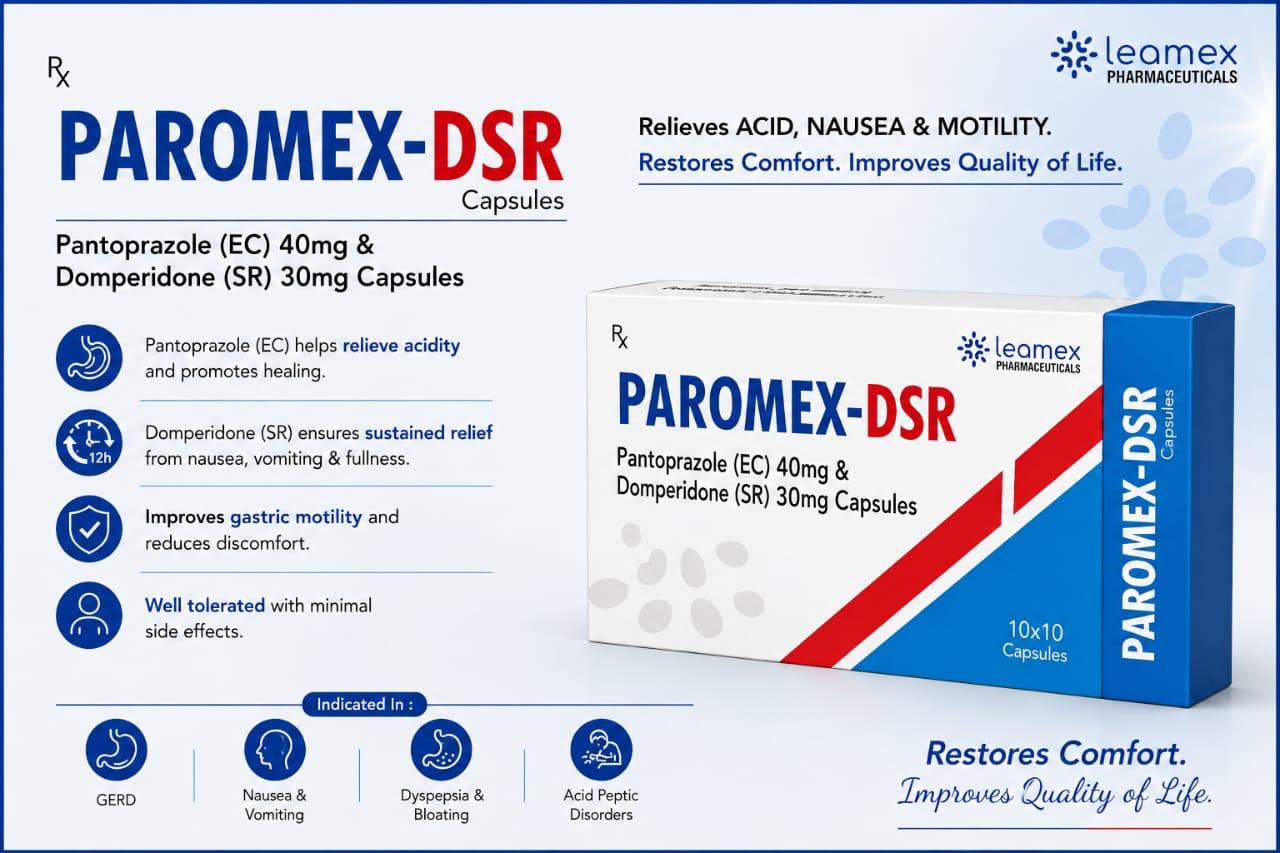
Paromex-DSR
℞ RxCapsules

Paromex-DSR

Relieves ACID, NAUSEA & MOTILITY. Restores Comfort. Improves Quality of Life.

Pantoprazole (EC) 40 mg & Domperidone (SR) 30 mg

View full details
Allergy & breathing1 brand
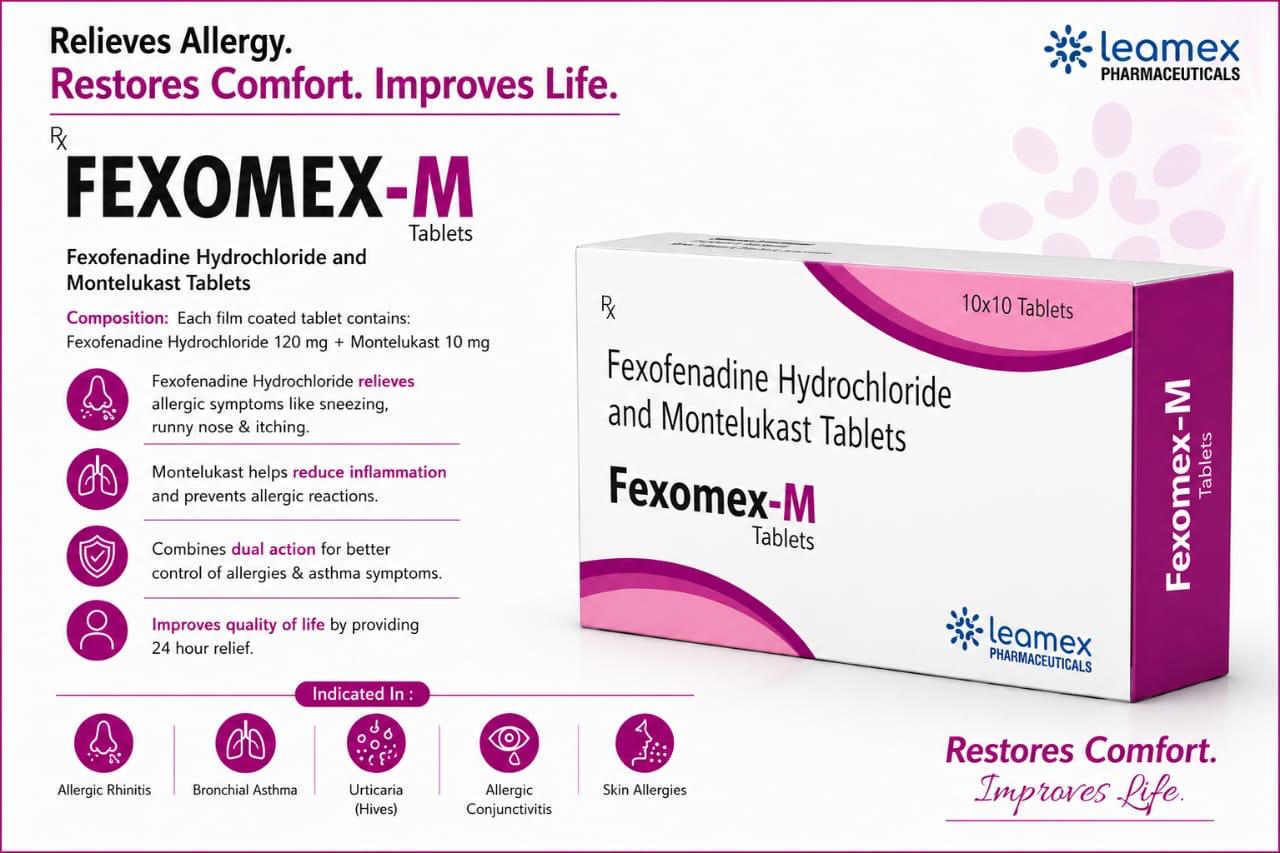
Fexomex-M
℞ RxTablets

Fexomex-M

Relieves Allergy. Restores Comfort. Improves Life.

Fexofenadine Hydrochloride 120 mg + Montelukast 10 mg (each film-coated tablet)

View full details
Nutrition & immunity1 brand
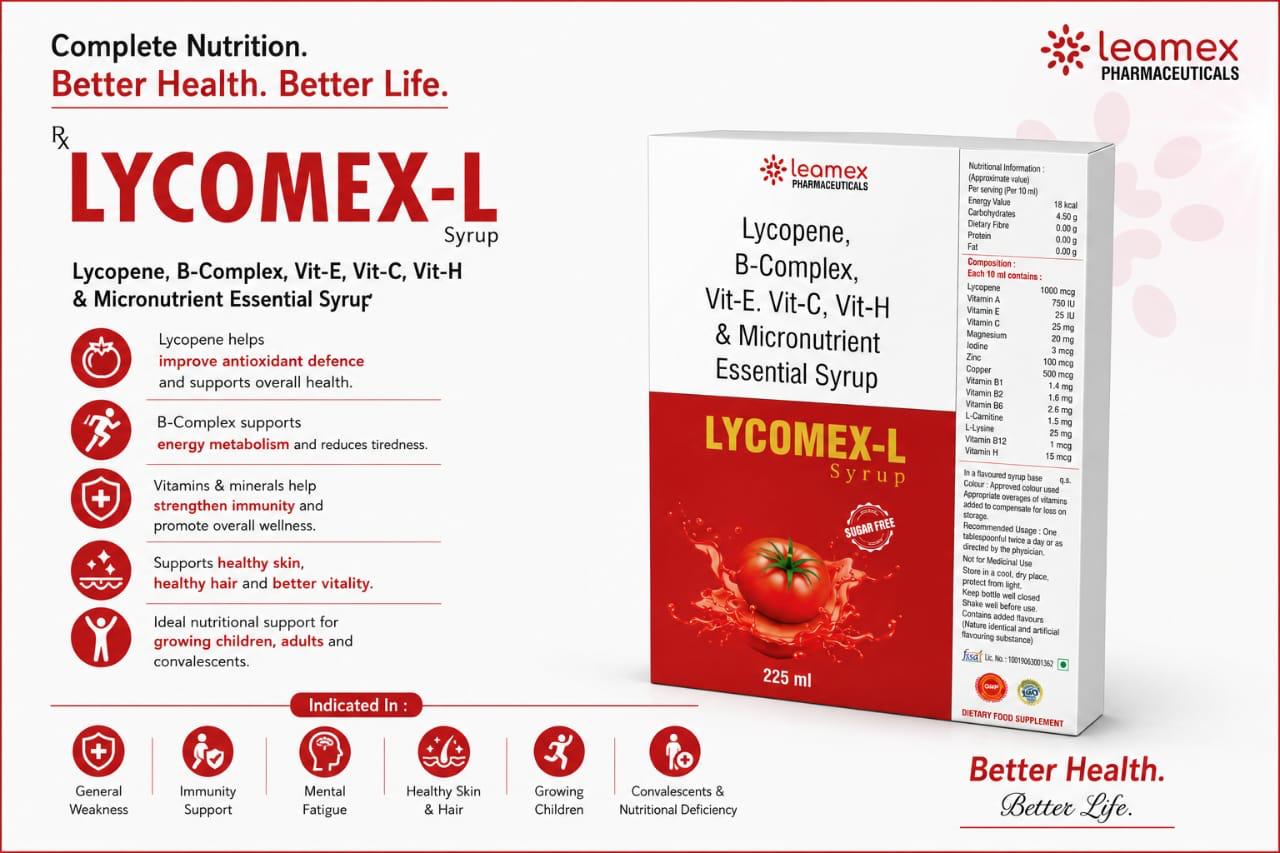
Lycomex-L
℞ RxSyrup

Lycomex-L

Complete Nutrition. Better Health. Better Life.

Each 10 ml contains: Lycopene 1000 mcg, Vitamin A 750 IU, Vitamin E 25 IU, Vitamin C 25 mg, Magnesium 20 mg, Iodine 3 mcg, Zinc 100 mcg, Copper 500 mcg, Vitamin B1 1.4 mg, Vitamin B2 1.6 mg, Vitamin B6 2.6 mg, L-Carnitine 1.5 mg, L-Lysine 25 mg, Vitamin B12 1 mcg, Vitamin H 15 mcg (flavoured syrup base, sugar free)

View full details

Health guides, by condition

Eight areas of care, explained without jargon: what the condition is, why it happens, how doctors treat it, what helps day to day, and the warning signs that mean stop reading and see someone. Each guide carries a Hindi summary.

Liver

Fatty liver

Fatty liver means fat has built up inside liver cells. It is extremely common in India — and it is one of the few serious liver conditions that can genuinely be reversed, especially if it is caught before scarring sets in. Most people find out by accident, from an ultrasound done for something else.

Fatty liver

Liver

Fatty liver: what it means and what actually helps

What fatty liver actually is

A healthy liver contains a little fat. When fat makes up more than about five to ten per cent of the liver's weight, it is called fatty liver, or hepatic steatosis.

There are two broad kinds. Non-alcoholic fatty liver disease is linked to weight, blood sugar, cholesterol and diet, and it is by far the more common. Alcohol-related fatty liver is caused by drinking. The distinction matters because the treatment differs, but the early stages look similar on a scan.

Fat alone is not the danger. The concern is what can follow: inflammation (steatohepatitis), then scarring (fibrosis), and in a minority of people, cirrhosis. Each of those steps takes years, which is why finding it early matters so much.

Symptoms people notice

Early fatty liver usually causes nothing at all. When symptoms do appear, they are vague and easy to dismiss:

  • Tiredness that does not improve with rest
  • A dull ache or feeling of fullness under the right ribs
  • Loss of appetite, or feeling full quickly
  • Nausea, particularly after fatty food
  • Difficulty concentrating

Because the symptoms are so unremarkable, fatty liver is most often picked up on an ultrasound, or when a routine blood test shows raised liver enzymes.

Why it happens

  • Carrying extra weight, particularly around the abdomen
  • Type 2 diabetes or insulin resistance
  • High triglycerides or abnormal cholesterol
  • A diet heavy in refined carbohydrates, sugar and fried food
  • Regular alcohol use
  • Very little physical activity
  • Certain medicines, and some inherited conditions

A point worth knowing in India: fatty liver turns up frequently in people who are not overweight by the usual measure. Waist circumference and blood sugar are often more telling than body weight alone.

How doctors treat fatty liver

There is no single tablet that dissolves liver fat. Treatment is built on changes that are unglamorous and effective, with medicines used to support them and to manage whatever else is going on.

Losing around seven to ten per cent of body weight, gradually, is the intervention with the strongest evidence behind it — it can clear fat and reduce inflammation. Stopping alcohol entirely is non-negotiable if alcohol is part of the picture. Controlling diabetes and cholesterol matters because they drive the same process.

Alongside that, doctors commonly use antioxidant and hepatoprotective support — silymarin, N-acetyl-cysteine and related agents — and treat the associated conditions directly. Your doctor will usually repeat liver function tests and sometimes a fibrosis assessment to see whether things are moving in the right direction.

What helps, day to day

  • Cut sugary drinks and refined carbohydrates first — they affect liver fat faster than dietary fat does
  • Aim for 150 minutes of moderate activity a week; brisk walking counts
  • Build meals around dal, vegetables, whole grains and protein rather than rice or roti alone
  • Lose weight slowly. Crash dieting can make liver inflammation worse
  • Stop alcohol completely
  • Be cautious with painkillers and unprescribed supplements — the liver processes all of them

See a doctor without waiting if you have

  • Yellowing of the eyes or skin
  • Dark urine or pale stools
  • Swelling of the abdomen or legs
  • Vomiting blood, or black tarry stools
  • Confusion, drowsiness or disturbed sleep-wake cycle

These are not reasons to panic, they are reasons not to wait and see.

Questions people ask about fatty liver

Can fatty liver be cured completely?

In its early stage, yes. Simple fatty liver often reverses with weight loss, control of blood sugar and stopping alcohol. Once significant scarring has developed, the goal shifts to stopping it progressing rather than undoing it.

What is the fastest way to reduce liver fat?

Cutting sugar and refined carbohydrates, combined with regular exercise and steady weight loss. Rapid crash dieting is counterproductive — it can worsen inflammation.

Which foods should I avoid with fatty liver?

Sugary drinks and packaged juices, sweets, white rice and maida in large quantities, deep-fried food, processed snacks, and alcohol. Portion size matters as much as the food itself.

Is fatty liver serious?

It is a warning, not an emergency. Most people never progress beyond simple fat accumulation. But a minority go on to inflammation and scarring, and that is why it should be followed up rather than ignored.

Does fatty liver cause pain?

Usually not. Some people describe a dull heaviness under the right ribs. Sharp or severe pain is a reason to see a doctor, because it usually points to something else, such as gallstones.

Can I take liver supplements for fatty liver?

Silymarin-based supplements are widely used as support and your doctor may suggest one. They support the liver; they do not replace weight loss, blood sugar control or stopping alcohol, which are what actually change the outcome.

Leamex products used in this area of care

Nerve

Nerve pain & numbness

Neuropathy means nerve damage. Most people meet it as burning, tingling or numbness in the feet that is worse at night. In India the commonest cause by a wide margin is diabetes, but vitamin B12 deficiency, alcohol, thyroid disease and certain medicines all do the same thing — which is why finding the cause changes the treatment.

Nerve pain & numbness

Nerve

Nerve pain, numbness and tingling: understanding neuropathy

What neuropathy feels like

Nerves carry two kinds of traffic: sensation inwards and instructions outwards. Damage shows up in both.

  • Burning, or a feeling of walking on sand or pins
  • Tingling and 'ants crawling' sensations, often worse at night
  • Numbness — the feet feel dead or distant
  • Sharp, electric-shock pains that come without warning
  • Weakness, or feet that catch on steps
  • Loss of balance in the dark, because the feet cannot report back

Symptoms usually start in the toes and move upwards in both feet — the classic 'stocking' pattern. Hands come later, if at all.

Why nerves get damaged

  • Diabetes — years of high blood sugar damage the small vessels that feed nerves. This is the leading cause
  • Vitamin B12 deficiency, which is widespread in vegetarian diets and in long-term metformin users
  • Regular alcohol use
  • Underactive thyroid
  • Kidney disease
  • Certain medicines, including some used in tuberculosis and chemotherapy
  • Nerve compression, such as a slipped disc or carpal tunnel

How it is treated

Treatment runs on two tracks at once. The first is removing the cause: getting blood sugar under control, correcting a B12 deficiency, stopping alcohol, treating the thyroid. This is what stops the damage progressing, and nothing else substitutes for it.

The second is supporting repair and controlling symptoms. Doctors commonly prescribe methylcobalamin, the active form of B12 that nerve tissue uses, often with alpha lipoic acid, an antioxidant studied specifically in diabetic neuropathy. Where pain is significant, specific neuropathic pain medicines are added — ordinary painkillers work poorly on nerve pain.

Recovery is slow. Nerves regenerate at roughly a millimetre a day at best, so improvement is judged over months, not weeks.

Foot care that prevents amputations

This section matters more than any medicine on this page. When feet lose sensation, injuries go unnoticed, and a small unnoticed wound is how most diabetic foot amputations begin.

  • Look at the soles of both feet every single day, using a mirror if you cannot bend easily
  • Never walk barefoot, including inside the house
  • Check inside footwear with your hand before putting it on
  • Test bath water with your elbow, not your foot
  • Keep feet dry between the toes and moisturise the heels
  • Get any cut, blister, crack or colour change seen the same week — not next month

See a doctor without waiting if you have

  • A wound, ulcer or blackened area on the foot
  • Sudden weakness on one side, or a foot that drags
  • Loss of bladder or bowel control
  • Rapidly worsening numbness climbing up the legs
  • Fever with a red, hot, swollen foot

These are not reasons to panic, they are reasons not to wait and see.

Questions people ask about nerve pain & numbness

What is the main cause of neuropathy in India?

Diabetes. Long-standing high blood sugar damages the small blood vessels supplying nerves. Vitamin B12 deficiency is the second common cause, and it is often missed.

Can nerve damage be reversed?

Partly, and slowly. Nerve damage from a B12 deficiency often improves well once the deficiency is corrected. Long-standing diabetic nerve damage improves less, which is why controlling blood sugar early is the real treatment.

Why is the burning worse at night?

Distraction falls away, skin temperature rises under bedding, and damaged nerve fibres fire more readily. It is a genuine pattern, not imagination.

Do ordinary painkillers help nerve pain?

Usually not much. Nerve pain responds to a different class of medicines. If paracetamol and anti-inflammatories are not touching it, that is worth telling your doctor rather than taking more of them.

How long does methylcobalamin take to work?

Expect two to three months before judging it, and often longer. Nerves regenerate slowly.

Can neuropathy be prevented if I am diabetic?

Largely, yes. Tight blood sugar control, blood pressure control, not smoking and annual foot examinations substantially reduce the risk.

Leamex products used in this area of care

Digestive

Acidity & reflux

Almost everyone gets heartburn occasionally. It becomes GERD — gastro-oesophageal reflux disease — when acid comes back up often enough to irritate the food pipe or interfere with daily life. In India it is one of the most self-medicated complaints there is, and that is part of the problem: antacids relieve the symptom and leave the cause untouched.

Acidity & reflux

Digestive

Acidity, heartburn and reflux: why it happens and what helps

What reflux actually is

A ring of muscle sits where the food pipe meets the stomach, and it is supposed to stay shut except when you swallow. When it relaxes at the wrong moment, stomach acid travels upwards. The stomach is built to handle that acid; the food pipe is not.

Separately, if the stomach empties slowly, food and acid sit around longer and pressure builds — which is why bloating, fullness and reflux so often arrive together, and why doctors sometimes treat both the acid and the motility.

Symptoms

  • Burning behind the breastbone, often after meals or lying down
  • Sour or bitter fluid coming into the throat
  • Belching and a bloated, overfull feeling
  • Nausea
  • A persistent dry cough, hoarseness, or a lump-in-throat feeling
  • Chest discomfort — which must be distinguished from heart pain

If chest pain is heavy, spreads to the arm or jaw, or comes with sweating or breathlessness, treat it as a possible heart problem and seek emergency care. Do not assume it is acidity.

Common triggers

  • Large meals, and eating late at night
  • Fried and very spicy food
  • Tea, coffee and carbonated drinks
  • Smoking and alcohol
  • Extra weight around the abdomen
  • Lying down within two to three hours of eating
  • Certain medicines, especially painkillers and some blood pressure tablets
  • Stress and irregular meal timing

How it is treated

Mild, occasional reflux is managed with timing and portion changes and an antacid when needed. Persistent symptoms are usually treated with a proton pump inhibitor such as pantoprazole, which reduces acid production and lets the food pipe heal. Where bloating and slow emptying are prominent, a prokinetic such as domperidone may be added.

Two things are worth knowing. First, proton pump inhibitors work best taken 30 to 60 minutes before breakfast, not after meals — a large share of people take them at the wrong time and conclude they do not work. Second, they are meant to be reviewed. Long-term unsupervised use is linked to low magnesium, low vitamin B12 and other problems.

What helps without a prescription

  • Eat smaller meals, more often
  • Finish dinner three hours before lying down
  • Raise the head end of the bed by six inches — pillows alone do not work, they bend you at the waist
  • Lose weight around the middle if there is any to lose
  • Stop smoking
  • Keep a one-week diary of what you ate and when symptoms came; the pattern is usually obvious

See a doctor without waiting if you have

  • Difficulty or pain when swallowing, or food sticking
  • Vomiting blood, or stools that are black and tarry
  • Unintended weight loss
  • Persistent vomiting
  • Anaemia found on a blood test
  • New reflux symptoms starting after the age of 50

These are not reasons to panic, they are reasons not to wait and see.

Questions people ask about acidity & reflux

What is the difference between acidity and GERD?

Acidity is the symptom. GERD is the diagnosis given when reflux happens often enough to damage the food pipe or disrupt daily life — broadly, symptoms twice a week or more.

When should I take a pantoprazole capsule?

Thirty to sixty minutes before breakfast, on an empty stomach. Proton pump inhibitors only switch off the acid pumps that are active, and a meal is what activates them.

Is it safe to take acidity medicine every day?

For a defined course prescribed by your doctor, yes. Taking one indefinitely without review is not advisable — long-term acid suppression is associated with low magnesium, low vitamin B12 and a higher risk of some infections.

Which foods should I avoid?

Most people react to fried food, very spicy food, tea and coffee, carbonated drinks, citrus and large late meals. Triggers are personal — a week's diary identifies yours better than any general list.

Can acidity cause chest pain like a heart attack?

Reflux can cause chest pain that is hard to tell apart from cardiac pain. If pain is heavy or crushing, spreads to the arm, neck or jaw, or comes with sweating or breathlessness, get emergency help. Never assume it is only acidity.

Why does my acidity return the moment I stop the medicine?

Either the underlying cause is still there, or acid production rebounds after stopping abruptly. Both are worth discussing with your doctor rather than simply restarting the tablet.

Leamex products used in this area of care

Joints

Joint pain & arthritis

Joint pain is not one condition. A knee that wears out over decades and a wrist swollen by an overactive immune system both hurt, but they are different problems needing different treatment. Getting that distinction right is the single most useful thing that happens at the first appointment.

Joint pain & arthritis

Joints

Joint pain and arthritis: what is worn, what is inflamed

Wear versus inflammation

Osteoarthritis is mechanical. Cartilage — the smooth surface that lets bone glide on bone — thins with years, load and injury. It typically affects knees, hips, the lower back and the hands, hurts more as the day goes on, and eases with rest. Morning stiffness is brief, usually under half an hour.

Rheumatoid arthritis is immune. The body attacks the lining of its own joints. It tends to affect the small joints of hands and feet, symmetrically, and morning stiffness lasts well over an hour. Joints look visibly swollen and feel warm, and people often feel generally unwell and tired.

That last pattern needs early specialist assessment. Treatment started early in rheumatoid arthritis prevents joint destruction that cannot be undone later.

Other common causes

  • Sprains, strains and sports injuries
  • Gout — sudden, severe pain often starting in the big toe
  • Low back pain from muscle strain or a disc problem
  • Tendon and ligament injuries from repeated use
  • Pain after surgery, while tissue is healing
  • Age-related stiffness without significant joint damage

How joint pain is treated

For acute pain with swelling — a sprain, an injury, recovery after surgery — treatment aims at the inflammation. Anti-inflammatory medicines are used for short courses, sometimes combined with proteolytic enzymes intended to clear the inflammatory fluid that makes an area feel tight.

For long-term wear, the approach is different and slower. Cartilage-support formulations containing collagen peptides, chondroitin and hyaluronate are used over months rather than days. They are not painkillers, and expecting overnight relief from them is the commonest reason people abandon them too early.

For inflammatory arthritis, disease-modifying medicines prescribed by a rheumatologist are the treatment. Nothing available over a pharmacy counter substitutes for them.

The part that is not a tablet

For an arthritic knee, strengthening the muscle around it does more than any supplement. Weak quadriceps mean the joint absorbs load the muscle should have taken.

  • Straight-leg raises and sit-to-stand practice, daily
  • Walking and cycling rather than stairs and squatting
  • Losing weight — each kilogram removed takes several off the knee
  • Avoiding deep squatting and sitting cross-legged on the floor for long periods
  • Warmth before activity, ice after, if swelling is the problem
  • A physiotherapist's assessment early, rather than after years of pain

See a doctor without waiting if you have

  • A single joint that is hot, red and very painful, with fever
  • Joint pain after a significant injury, or inability to bear weight
  • Morning stiffness lasting more than an hour, most days
  • Back pain with numbness, leg weakness, or loss of bladder control
  • Unexplained weight loss or night sweats with joint pain

These are not reasons to panic, they are reasons not to wait and see.

Questions people ask about joint pain & arthritis

How do I know if my joint pain is arthritis?

Persistent pain, stiffness after rest and swelling that lasts weeks point towards arthritis rather than a passing strain. Which type it is depends on the pattern — a doctor can usually tell from the history and examination alone.

What is the difference between osteoarthritis and rheumatoid arthritis?

Osteoarthritis is mechanical wear, usually in larger weight-bearing joints, with brief morning stiffness. Rheumatoid arthritis is an immune condition affecting small joints symmetrically, with morning stiffness over an hour and a general feeling of illness.

Do collagen and chondroitin supplements really work?

They are used to support cartilage over months and evidence is mixed but favourable for function in some people. What they are not is a painkiller. Judge them at eight to twelve weeks, alongside exercise — not on day three.

Is walking good or bad for knee pain?

Good, in almost all cases. Cartilage has no blood supply and depends on movement for its nutrition. What harms an arthritic knee is deep squatting, stairs and long periods sitting on the floor — not level walking.

How long can I take anti-inflammatory painkillers?

Short courses, as prescribed. NSAIDs carry real risks to the stomach, kidneys and heart with prolonged use, and those risks rise with age.

Can joint damage be reversed?

Lost cartilage does not grow back. What can improve substantially is pain and function, through muscle strengthening, weight loss and appropriate treatment.

Leamex products used in this area of care

Bone

Bone weakness

Osteoporosis has no symptoms until a bone breaks. That is what makes it dangerous, and it is why it is usually diagnosed after a wrist fracture from a minor fall, or a spine that has quietly lost height. Bone is living tissue that rebuilds constantly, and it responds to what you do.

Bone weakness

Bone

Osteoporosis and bone weakness: the silent one

What happens to bone

Throughout life, bone is broken down and rebuilt. Up to around the age of thirty, building wins and bone density peaks. After that the balance slowly tips the other way. In women, the years around menopause accelerate the loss sharply as oestrogen falls.

Osteopenia is the stage where density has fallen but not yet to the level called osteoporosis. It is a useful warning rather than a diagnosis to panic about — most of what prevents progression is available to anyone.

Who is at risk

  • Women after menopause, and men over sixty
  • A parent who fractured a hip
  • A small, thin frame
  • Low calcium intake, common where dairy is limited
  • Vitamin D deficiency — widespread in India despite the sunshine
  • Long-term steroid use
  • Smoking and regular alcohol
  • Thyroid or parathyroid disorders
  • Long periods of inactivity or bed rest

Vitamin D deficiency deserves a note. Indoor work, covered clothing, pollution and darker skin all reduce how much vitamin D the skin makes, and deficiency is very common across Indian cities.

How it is managed

Treatment starts with the raw materials: enough calcium, enough vitamin D, and enough protein. Adults generally need around 1000 mg of calcium daily, rising to about 1200 mg after menopause and over seventy. Food sources come first — milk, curd, paneer, ragi, til, almonds, green leafy vegetables and small fish eaten with bones.

Where diet cannot reach it, supplements are used. Doctors increasingly prescribe combinations that pair calcium with active vitamin D and vitamin K2-7, on the reasoning that vitamin D helps absorb calcium while K2 helps direct it into bone rather than into soft tissue.

In established osteoporosis, specific bone-preserving medicines are prescribed after a bone density scan. Those are a separate decision made with your doctor, and supplements do not replace them.

What builds bone, practically

  • Weight-bearing exercise — walking, stair climbing, light resistance work. Bone thickens in response to load
  • Balance work such as standing on one leg; preventing the fall matters as much as strengthening the bone
  • Fifteen to twenty minutes of sunlight on arms and face, several times a week
  • Enough protein at each meal
  • Stopping smoking, and limiting alcohol
  • Fixing trip hazards at home — loose mats, poor lighting, wet bathroom floors

See a doctor without waiting if you have

  • A fracture from a minor fall or simple bending
  • Sudden severe back pain, which may be a spinal compression fracture
  • Noticeable loss of height, or a developing stoop
  • Bone pain with unexplained weight loss

These are not reasons to panic, they are reasons not to wait and see.

Questions people ask about bone weakness

How much calcium do I actually need in a day?

Broadly 1000 mg a day for most adults, and around 1200 mg for women after menopause and adults over seventy. Food first — a cup of milk gives roughly 300 mg.

Why is vitamin D deficiency so common in India?

Indoor work, covered clothing, air pollution and darker skin all reduce vitamin D production, and very few Indian foods are fortified. Sunshine alone is not enough for many people.

What is vitamin K2-7 for?

It activates the proteins that bind calcium into bone. The rationale for including it with calcium and vitamin D is to help calcium reach bone rather than accumulate in soft tissue.

Can osteoporosis be reversed?

Bone density can be improved and further loss slowed substantially with treatment, nutrition and exercise. Returning to a young adult's bone density is not realistic, but preventing the fracture very much is.

Is milk the only good source of calcium?

No. Curd, paneer, ragi, sesame seeds, almonds, green leafy vegetables, amaranth, and small fish eaten with the bones are all good sources — useful if you avoid dairy or are lactose intolerant.

Should everyone over fifty take a calcium tablet?

No. Supplements are for people whose diet and blood levels fall short, decided with a doctor. Excess calcium has its own risks, particularly for the kidneys.

Leamex products used in this area of care

Mind

Anxiety & depression

Anxiety and depression are common, treatable medical conditions. They are not weakness, and they are not something a person can simply decide to stop having. Most people who get proper treatment improve substantially — the difficulty in India is usually reaching that treatment at all, not whether it works.

Anxiety & depression

Mind

If you need help right now

If you or someone near you is in distress right now, India’s national mental health helpline Tele-MANAS is free and open 24 hours: call 14416 or 1-800-891-4416. If someone is in immediate physical danger, call 112.

Anxiety and depression: what treatment actually looks like

What they look like

Depression is more than sadness. It is a persistent flatness that lasts most of the day, most days, for two weeks or more, and it takes the pleasure out of things that used to provide it.

  • Low mood, or feeling empty and numb
  • Losing interest in things you normally enjoy
  • Sleeping badly, or sleeping far too much
  • Appetite and weight changing noticeably
  • Exhaustion that rest does not fix
  • Difficulty concentrating or making small decisions
  • Guilt, or feeling worthless
  • Thoughts that life is not worth continuing

Anxiety shows up differently: constant worry that is hard to switch off, restlessness, irritability, a racing heart, tight chest, churning stomach, sweating, and broken sleep. In India it very often presents physically — as headaches, stomach trouble, or palpitations that investigations find nothing wrong with.

How treatment works

Treatment usually combines medicine and therapy, and the combination works better than either alone for most people.

Antidepressants such as SSRIs take two to four weeks to start working, and up to six to eight weeks for full effect. This delay is the single biggest reason people stop too early and conclude the medicine failed. Sometimes a short course of an anti-anxiety medicine is added at the start to cover that gap, and then withdrawn.

Talking therapy — cognitive behavioural therapy in particular — gives you tools that outlast the prescription. Where a therapist is not available locally, Tele-MANAS offers free counselling by phone in multiple Indian languages.

Treatment usually continues for months after you feel better, because stopping as soon as mood lifts is the most common route back to relapse. Any change to the dose should be planned with your doctor and tapered.

What helps alongside treatment

  • Regular sleep and wake times, even at weekends
  • Daily movement — even a twenty-minute walk has measurable effect
  • Sunlight in the morning
  • Telling one person you trust, so you are not managing it alone
  • Cutting alcohol, which reliably deepens depression
  • Limiting late-night screen use and doom-scrolling

None of these replace treatment. They make treatment work better.

Free help in India

Tele-MANAS is the Government of India's national mental health helpline, run by the Ministry of Health and Family Welfare. It is free, available 24 hours a day, and offers support in a wide range of Indian languages. Call 14416 or 1-800-891-4416.

If someone is in immediate danger, call 112 or go to the nearest emergency department.

See a doctor without waiting if you have

  • Thoughts of ending your life, or of harming yourself
  • Feeling that others would be better off without you
  • Hearing or seeing things others do not
  • Not eating or drinking for days
  • Being unable to care for yourself or your children

These are not reasons to panic, they are reasons not to wait and see.

Questions people ask about anxiety & depression

How long do antidepressants take to work?

Two to four weeks before you notice a change, and six to eight weeks for the full effect. Stopping at week two because 'it isn't working' is the commonest mistake in treatment.

Are antidepressants addictive?

SSRIs are not addictive in the way benzodiazepines or opioids are. They do need to be reduced gradually rather than stopped suddenly, because abrupt stopping causes discontinuation symptoms. That is different from addiction.

Can I stop my medicine once I feel normal again?

Not on your own. Treatment usually continues for six months or more after recovery to prevent relapse, and any reduction should be tapered with your doctor.

Is therapy better than medication?

For mild to moderate depression and anxiety, therapy alone can be enough. For moderate to severe illness, the combination works better than either alone. It is not a competition between them.

Where can I get free mental health help in India?

Tele-MANAS, the government helpline, is free and available 24 hours on 14416 or 1-800-891-4416, in many Indian languages. District hospitals also run mental health clinics under the National Mental Health Programme.

Can anxiety cause physical symptoms?

Very much so — chest tightness, palpitations, stomach upset, headaches, breathlessness and dizziness are all common. Get the physical causes checked first, then treat the anxiety rather than repeating the tests.

Leamex products used in this area of care

Allergy

Allergy & asthma

Doctors increasingly treat the nose and the chest as one system, because the same allergic process runs through both. Around three in four people with asthma also have allergic rhinitis, and treating only the sneezing while ignoring the wheeze leaves half the problem in place.

Allergy & asthma

Allergy

Allergic rhinitis and asthma: one airway, two ends

What an allergy is doing

An allergy is the immune system reacting hard to something harmless. It releases histamine, which produces the immediate sneezing, itching and runny nose, and leukotrienes, which produce the slower, stubborn part — blocked nose and narrowed airways.

That is why one medicine often is not enough. Antihistamines handle the histamine arm well and the leukotriene arm poorly, which is why combinations are used where congestion or chest symptoms dominate.

Common triggers in India

  • Dust mites in bedding, mattresses and soft furnishings
  • Pollen, with seasonal peaks in spring and autumn
  • Mould, particularly through the monsoon
  • Cockroach debris — a major and under-recognised trigger
  • Pet dander
  • Vehicle exhaust and construction dust
  • Smoke from cooking fuel, incense and cigarettes
  • Sudden cold air, and strong perfumes

Symptoms at each end

In the nose and eyes: bouts of sneezing, a clear runny nose, blocked nose, itching in the nose, throat and ears, and red, watery eyes. Children often rub the nose upwards repeatedly.

In the chest: cough, especially at night or after exercise, wheeze, breathlessness and chest tightness.

On the skin: urticaria — raised itchy weals that appear and fade within hours, often moving around the body.

How it is treated

Avoiding the trigger comes first where it is possible. Then antihistamines, of which the modern non-drowsy ones such as fexofenadine are preferred for daytime use. Nasal steroid sprays are the most effective single treatment for persistent allergic rhinitis and are under-used, largely because people expect instant relief and stop before the spray has had its several days to work.

Leukotriene blockers such as montelukast are added where congestion is prominent or asthma coexists. For asthma, inhaled preventers are the foundation of treatment, and a reliever inhaler is for attacks only.

One safety point worth repeating: montelukast carries a warning about mood and behaviour changes in both adults and children — agitation, sleep disturbance, low mood. If you notice a change in yourself or your child after starting it, contact your doctor.

Reducing exposure at home

  • Wash bedding weekly in hot water and sun-dry it
  • Replace heavy curtains and carpets in the bedroom where possible
  • Keep windows shut on high-pollen mornings and during nearby construction
  • Fix damp patches and clean bathroom mould
  • Deal with cockroaches properly rather than repeatedly
  • Do not smoke indoors, and ventilate the kitchen while cooking

See a doctor without waiting if you have

  • Breathlessness that makes it hard to speak a full sentence
  • A reliever inhaler that is not working, or is needed every few hours
  • Swelling of the lips, tongue or throat, or difficulty swallowing
  • Hives with faintness, vomiting or breathing difficulty — possible anaphylaxis, call 112
  • Wheeze with blue lips or severe drowsiness

These are not reasons to panic, they are reasons not to wait and see.

Questions people ask about allergy & asthma

What is the difference between a cold and allergic rhinitis?

A cold builds over a day or two, often brings fever and body ache, and clears within a week. Allergic rhinitis starts within minutes of exposure, itches intensely, produces clear watery discharge, and recurs in the same situations.

Why do I sneeze every morning?

Usually dust mites in bedding and pillows, combined with the natural early-morning dip in the body's own cortisol. Hot-washing bedding weekly makes a noticeable difference.

Is allergic rhinitis connected to asthma?

Closely. They are considered one airway. Around three quarters of people with asthma have allergic rhinitis, and untreated rhinitis makes asthma harder to control.

Are non-drowsy antihistamines safe long term?

Second-generation antihistamines such as fexofenadine are generally well tolerated over long periods under medical review. Your doctor will still want to check periodically whether you still need them.

What should I know about montelukast side effects?

It can cause changes in mood, sleep and behaviour, including agitation, vivid dreams, irritability and low mood, in both adults and children. Regulators require this warning. Report any such change to your doctor rather than waiting.

Can allergies be cured permanently?

Most are managed rather than cured. Immunotherapy — a long course desensitising you to a specific allergen — can produce lasting improvement in selected people, and is worth asking a specialist about.

Leamex products used in this area of care

Nutrition

Weakness & low immunity

Feeling tired all the time is one of the most common reasons people visit a doctor in India, and one of the most commonly self-treated with a tonic. Tonics have their place — but fatigue that has lasted more than a few weeks deserves a blood test before it deserves a syrup.

Weakness & low immunity

Nutrition

Constant tiredness and low immunity: find the cause first

Causes worth ruling out

Most persistent fatigue has a findable cause, and several of the commonest are cheap to test for.

  • Iron deficiency anaemia — extremely common in Indian women
  • Vitamin B12 deficiency, particularly in vegetarians and long-term metformin users
  • Vitamin D deficiency
  • Thyroid disorders, especially an underactive thyroid
  • Undiagnosed or poorly controlled diabetes
  • Chronic infection, including tuberculosis
  • Depression and anxiety, which very often present as fatigue
  • Poor sleep, including obstructive sleep apnoea
  • Kidney or liver disease

Tests worth asking about

If tiredness has lasted more than a month, a reasonable first panel is a complete blood count, ferritin, vitamin B12, vitamin D, thyroid function, fasting blood sugar or HbA1c, and basic kidney and liver tests. It is inexpensive, widely available, and it either finds the answer or narrows it considerably.

Where nutritional support fits

Once serious causes are excluded — or treated — nutritional support has a real role. It helps most in convalescence after an illness or surgery, where appetite is poor, in growing children with limited diets, and in demonstrated micronutrient shortfalls.

Formulations combining a B-complex with antioxidants such as lycopene and vitamins C and E, plus zinc and other trace minerals, are used in that setting. A liquid is often better accepted than a tablet where appetite is poor.

What they do not do is fix anaemia, an underactive thyroid or untreated diabetes. Taking a tonic for months while one of those goes undiagnosed is the outcome worth avoiding.

Supporting immunity, realistically

  • Sleep seven to eight hours — the strongest lever anyone has
  • Eat protein at every meal; immune cells are built from it
  • Correct a vitamin D deficiency if you have one
  • Stay physically active, moderately and regularly
  • Keep vaccinations up to date, including the annual flu shot if your doctor advises it
  • Manage long-term stress — it measurably suppresses immune function

Nothing 'boosts' immunity beyond normal. The realistic goal is removing what is holding it below normal.

See a doctor without waiting if you have

  • Unexplained weight loss
  • Fever or drenching night sweats lasting more than a week
  • A lump anywhere, or a swollen gland that does not settle
  • Coughing up blood, or a cough lasting more than three weeks
  • Severe breathlessness, or fatigue that came on suddenly
  • Extreme pallor, or fainting

These are not reasons to panic, they are reasons not to wait and see.

Questions people ask about weakness & low immunity

Why am I tired all the time even though I sleep enough?

Common medical causes are iron deficiency anaemia, low vitamin B12 or D, thyroid problems, diabetes and depression. Sleep apnoea also produces unrefreshing sleep despite long hours in bed. A basic blood panel usually identifies it.

Which blood tests should I ask for?

A reasonable first set: complete blood count, ferritin, vitamin B12, vitamin D, thyroid function (TSH), HbA1c or fasting glucose, and kidney and liver function.

Do multivitamin tonics actually help?

They help where there is a genuine shortfall — during recovery, with poor appetite, in growing children, or with a demonstrated deficiency. They do not help fatigue caused by anaemia, thyroid disease or diabetes, which need their own treatment.

Can I take a multivitamin every day, long term?

Ask your doctor. Water-soluble vitamins are largely excreted, but fat-soluble vitamins A, D, E and K accumulate, and doubling up across several products is where people get into trouble.

How can I improve my immunity?

Sleep, adequate protein, correcting vitamin D deficiency, regular moderate exercise, vaccination and stress management. There is no product that raises immunity above normal — the aim is to remove what is suppressing it.

Is weakness after an illness normal?

Yes, and it can last weeks. Return to activity gradually, eat enough protein, and see your doctor if you are not steadily improving or if new symptoms appear.

Leamex products used in this area of care

Quality & certifications

Certification logos are easy to print. What matters is which standard, covering what, issued by whom, and whether you can look it up. Here is ours, set out that way.

FSSAI logo

FSSAI licence 10019063001362

Our dietary supplement lines are made and labelled under a licence issued by the Food Safety and Standards Authority of India. The number is printed on every supplement pack, and you can look it up yourself on the FSSAI register.

GMP certified badge

Good Manufacturing Practice

Production follows GMP: written procedures for every step, controlled premises, tested raw materials, and a batch record that can be traced back if a question is ever raised.

ISO 22000:2018 Food Safety Management System certification

ISO 22000:2018

A food safety management standard covering hazard analysis from raw material intake through to finished packaging, audited by an external certification body.

What happens before a pack leaves

Incoming materials

Raw materials are tested on arrival against written specifications

Controlled manufacture

Every batch is made to a documented procedure, with conditions and quantities recorded

Release testing

Finished product is checked against the label claim before release

Retained samples

Retained samples and batch records are kept for traceability

Pack labelling

Packs are labelled with batch number, dates, storage instructions and licence number

What a certificate does not tell you

Certification says a system was audited and found to meet a standard on the day it was audited. It does not say that every batch is perfect, and no manufacturer can honestly claim that.

What it does give you is recourse: a documented chain that makes a problem investigable rather than deniable. That is the practical value, and it is why batch numbers matter more than logos.

Questions about quality and certification

What is FSSAI licence 10019063001362?

It is the licence under which Leamex dietary supplement products (Livomex-XL, Adymex 400 and Lycomex-L) are manufactured and labelled. It is printed on every supplement pack, and it can be looked up on the FSSAI public register. A licence number you can verify is worth more than a logo you cannot.

Does GMP certification apply to supplements as well as medicines?

Good Manufacturing Practice covers the manufacturing environment, written procedures, raw material testing and batch records. It applies to the production process itself, and it is what allows a specific batch to be traced and investigated if a question is raised.

What does ISO 22000:2018 cover?

It is a food safety management standard. It requires hazard analysis across the whole chain from raw material intake to finished packaging, and it is audited by an external certification body rather than self-declared.

What does “Not for Medicinal Use” on a supplement pack mean?

It is a legal statement required on FSSAI-licensed dietary supplements. It means the product is regulated as a food supplement rather than approved as a drug, and it should not be presented as treating or curing a disease. It is not a statement about quality.

How do I report a quality problem with a pack?

Keep the pack, the strip or bottle, and the batch number, and contact us with photographs. Batch numbers are what make an investigation possible, so please do not discard the packaging.

For doctors & pharmacists

The whole portfolio on one screen: composition, pack, dosage form and prescription status, grouped by dosage form.

Intended for healthcare professionals

This summarises composition and prescription status for reference. It is not a substitute for the full prescribing information supplied with the product, and it does not include individual dosing beyond what the brand sheet states, and that is a clinical decision for the individual patient.

Leamex portfolio: 11 brands
BrandCompositionPackStatus
Tablets
Enzomex-RB
Tablets
Trypsin 48 mg + Bromelain 90 mg + Rutoside Trihydrate 100 mg + Diclofenac Sodium 50 mg1 x 10 TabletsRx
Fexomex-M
Tablets
Fexofenadine Hydrochloride 120 mg + Montelukast 10 mg (each film-coated tablet)10 x 10 TabletsRx
Paromex-DSR
Capsules
Pantoprazole (EC) 40 mg & Domperidone (SR) 30 mg10 x 10 CapsulesRx
Tendomex-L
Tablets
L-Arginine 500 mg + Chondroitin Sulphate Sodium 200 mg + Collagen Peptides Type-II 40 mg + Sodium Hyaluronate 30 mg + Vitamin C 12.5 mg1 x 10 TabletsRx
Esco-Plus
Tablets
Escitalopram Oxalate 10 mg + Clonazepam 0.25 mg10 x 10 TabletsRx
Trypmax-CZ
Tablets
Amitriptyline Hydrochloride 12.5 mg + Chlordiazepoxide 5 mg10 x 10 TabletsRx / NRx
Capsules
Neuromex-Plus
Capsules
Methylcobalamin 1500 mcg + Folic Acid 1.5 mg + Vitamin D3 1000 IU + Pyridoxine Hydrochloride 3 mg + Alpha Lipoic Acid 100 mg10 x 1 x 10 CapsulesRx
Calmex-K2 7 (Calmex-K27)
Softgel Capsules
Calcitriol 0.25 mcg + Calcium Carbonate 1250 mg + Eicosapentaenoic Acid (EPA) 90 mg + Docosahexaenoic Acid (DHA) 60 mg + Methylcobalamin 1500 mcg + Folic Acid 200 mcg + Vitamin K2-7 50 mcg + Magnesium Oxide 100 mg + Boron (as Disodium Tetraborate) 1.5 mg + Zinc Sulphate Monohydrate (Eq. to Elemental Zinc 12 mg) + Excipients q.s.Not specified on sheetRx
Adymex 400
Tablets
S-Adenosyl-L-Methionine 400 mg1 x 10 TabletsDietary Food Supplement (Not for medicinal use)
Syrup/Suspension
Lycomex-L
Syrup
Each 10 ml contains: Lycopene 1000 mcg, Vitamin A 750 IU, Vitamin E 25 IU, Vitamin C 25 mg, Magnesium 20 mg, Iodine 3 mcg, Zinc 100 mcg, Copper 500 mcg, Vitamin B1 1.4 mg, Vitamin B2 1.6 mg, Vitamin B6 2.6 mg, L-Carnitine 1.5 mg, L-Lysine 25 mg, Vitamin B12 1 mcg, Vitamin H 15 mcg (flavoured syrup base, sugar free)225 mlRx
Livomex-XL
Suspension
Each 10 ml contains: Silymarin 140 mg, N-Acetyl-L-Cysteine 75 mg, L-Ornithine L-Aspartate 75 mg, Vitamin C 75 mg, L-Carnitine Tartrate 50 mg, L-Glutathione 2.5 mg, Choline Bitartrate 25 mg, D-Panthenol 15 mg, Vitamin E 12.5 mg, Elemental Zinc 7.5 mg, Thiamine HCl (Vit B1) 5 mg, Riboflavin-5-Phosphate (Vit B2) 5 mg, Pyridoxine HCl (Vit B6) 4.5 mg, Co-Enzyme Q10 2.5 mg, Folic Acid 500 mcg, Elemental Selenium 100 mcg, Cyanocobalamin (Vit B12) 2.2 mcg, Vitamin D3 200 IU, Flavoured Base q.s.225 mlDietary Food Supplement (Not for medicinal use)

Medical information enquiries

For composition queries, interaction questions, or a request for the full product literature, write to our medical information desk. Please include the brand, the batch number where relevant, and your registration details.

Contact medical information

Reporting an adverse event

Suspected adverse drug reactions should be reported both to us and to the national pharmacovigilance programme. Timely reporting is what keeps safety data meaningful.

  • Report to us with brand, batch number, dates and a description
  • Report to the Pharmacovigilance Programme of India through your nearest ADR monitoring centre
  • Keep the pack: the batch number is essential